
The ChatGPT App Store era has officially begun, and it represents one of the biggest shifts in how artificial intelligence is used in everyday digital life. What started as a simple AI chatbot has now evolved into a full-scale platform where users can run powerful tools directly inside a conversation.
Instead of switching between multiple websites, apps, and dashboards, ChatGPT now lets users access AI-powered applications in one place. With OpenAI launching its app directory, developers can publish chat-native apps that work seamlessly inside ChatGPT. For users, this means faster workflows and better productivity. For developers, it opens the door to real visibility inside a growing AI app marketplace.
Many industry experts are comparing this moment to the early days of mobile app stores when software suddenly became easier to discover, easier to trust, and easier to use.
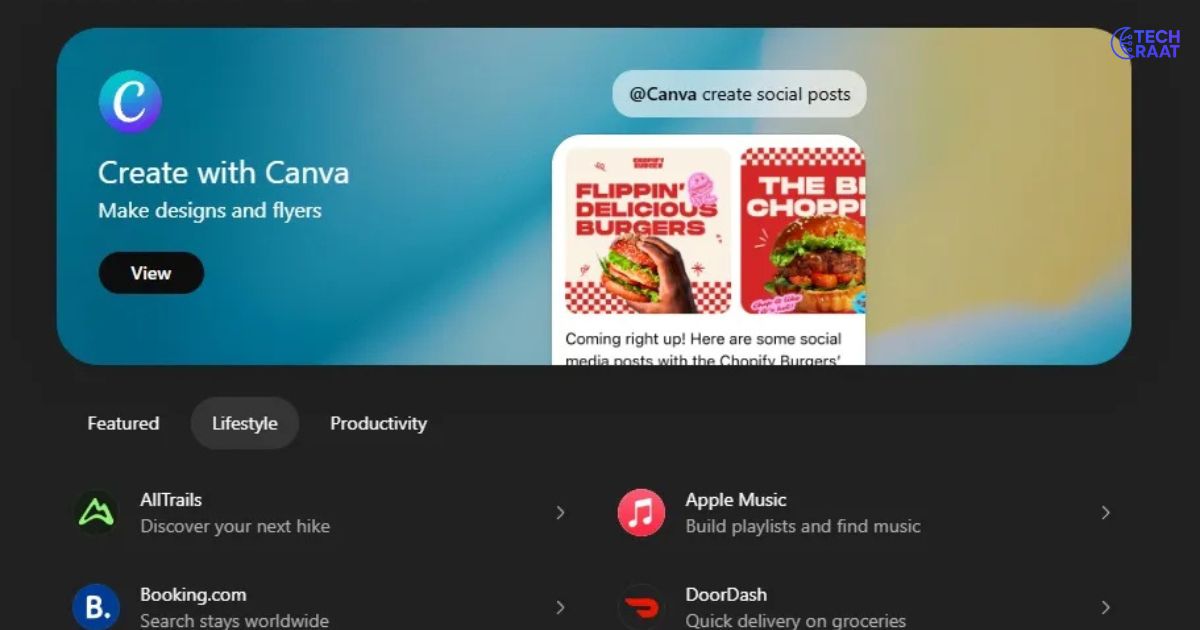
With the introduction of ChatGPT apps, OpenAI has transformed ChatGPT into more than just a tool for answers. It is now a platform where real actions happen.
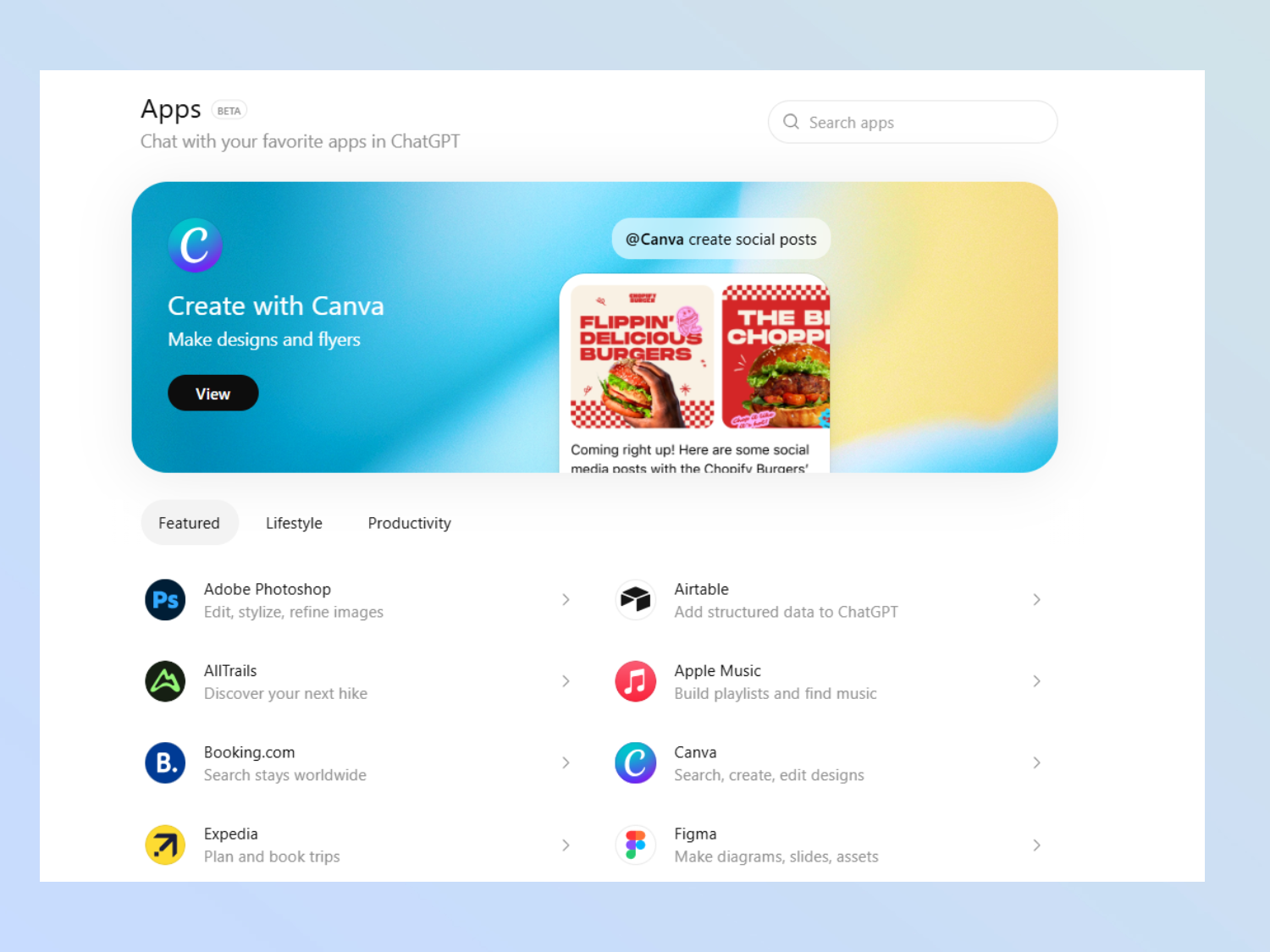
Developers can submit their applications through the OpenAI Platform Dashboard. Each submission goes through a structured review process focused on safety, performance, and usefulness. Once approved, apps appear in a public directory where users can discover them through search and categories.
Unlike old integrations, these are not simple external links. ChatGPT apps run directly inside the chat interface. They can connect accounts, fetch real-time data, sync information, and respond instantly all without leaving the conversation.
This makes ChatGPT feel less like a chatbot and more like an AI-powered operating system for work.
Inside the ChatGPT App Directory
Behind the scenes, OpenAI uses multiple layers of review, trust checks, and policy enforcement to maintain quality. Only approved apps appear in the directory, ensuring a safer and more reliable experience.
Here’s how ChatGPT apps compare to older plugin-style tools:
| Feature | ChatGPT Apps | Old Plugins |
|---|---|---|
| Discovery | Built-in app directory | Manual installation |
| Interface | Fully conversational | External UI |
| Data Access | Secure account connections | Limited APIs |
| Review Process | Strict app review | Minimal checks |
This system makes discovering and using AI tools far more intuitive.
Why ChatGPT Apps Feel Better Than Traditional Plugins
Earlier plugins often felt unfinished. They disrupted conversations and required extra setup. ChatGPT apps solve this by behaving like chat-native applications.
Users simply explain what they want, and the app responds instantly within the same window. There’s no feeling of switching tools or breaking focus. Everything stays inside ChatGPT, guided by context and intent.
This smooth experience is a major reason adoption is happening faster than expected.
Why Plugins Failed to Scale
Traditional plugins struggled with poor discovery, weak analytics, and limited trust. Developers had little insight into performance, while users hesitated to rely on them.
ChatGPT apps fix these problems by offering usage analytics, better visibility, and stricter quality control. As a result, developers can iterate faster, and users feel more confident installing apps.
Why This Is Being Called ChatGPT’s “App Store Moment”
Platforms succeed when ecosystems grow. Apple proved this with mobile apps. Now OpenAI is applying the same concept to AI.
Instead of a single AI tool, ChatGPT is becoming a hub where thousands of specialized AI apps can live. Developers build solutions. Users discover them. OpenAI manages the platform.
This structure encourages innovation, loyalty, and long-term growth exactly what defines a true app store ecosystem.
The Platform Shift That Changes Everything
A platform is about distribution. ChatGPT apps give developers instant access to millions of users without heavy marketing costs. If an app solves a real problem, it can gain traction naturally inside ChatGPT.
This lowers the barrier for startups and independent developers while accelerating innovation across industries.
Why This Matters for Everyday Users
For everyday users, the biggest benefit is simplicity. Tasks that once required multiple apps can now be handled in a single chat.
Planning, research, writing, automation, and analysis all blend into one workflow. Because apps are reviewed for safety and quality, users can trust them more than random tools found online.
ChatGPT is slowly becoming a personal digital assistant rather than just a place to ask questions.
Tasks That Are Now Faster Inside ChatGPT
Scheduling, content creation, data lookup, reporting, and research all become quicker because apps understand context. The conversation itself becomes the control center.
What This Means for Developers and Startups
For developers, this moment is a huge opportunity. ChatGPT apps offer instant distribution, lower user acquisition costs, and access to a massive audience.
While monetization models are still evolving, usage-based pricing and premium features are expected to follow patterns seen in mobile app stores.
Why Developers Are Watching Closely
Developers now have access to analytics, retention data, and user feedback making it easier to improve products quickly. Compared to traditional SaaS launches, iteration is faster and less expensive.
How ChatGPT Apps Could Reshape Work and Search
Search is moving from links to actions. Instead of reading multiple articles, users ask ChatGPT to complete tasks directly.
Workflows are also shifting. Teams rely less on complex dashboards and more on natural conversations. Chat-native design reduces learning curves and speeds up decision-making.
The Rise of Chat Native Workflows
If you can explain a task in plain language, you can complete it. That simplicity is why chat-native workflows are gaining attention across industries.
Early Use Cases Already Gaining Momentum
Many early apps focus on productivity, coding, research, and analytics. These tools perform well because they remove friction and keep users inside ChatGPT longer.
Some are already showing higher engagement than traditional standalone tools.
Why These Early Apps Are Succeeding
They focus on solving one problem clearly, load quickly, and respect conversational context.
Competition and the Future of AI Platforms
Google, Microsoft, and other tech giants are racing to build similar ecosystems. However, OpenAI currently has an advantage due to ChatGPT’s massive user base and trust.
As the AI app marketplace grows, expect tighter rules, better monetization options, and higher quality standards.
Risks and What Users Should Be Careful About
No platform is perfect. Risks include low-quality apps, data misuse, and over-reliance on a single ecosystem.
Users should always review app permissions and understand how data from external sources is handled.
Final Thoughts: Why the ChatGPT App Store Era Matters
The ChatGPT App Store moment matters because AI is no longer passive. It is active, embedded, and deeply useful.
ChatGPT is evolving into a platform where digital work happens through conversation. This shift is likely to shape how software is built and used for the next decade.
What’s Next for ChatGPT as a Platform
Expect deeper integrations, clearer monetization models, and smarter AI apps. The app store era of artificial intelligence has officially begun.
FAQs
What is the ChatGPT app store?
The ChatGPT app store is OpenAI’s app directory where users can discover and use AI-powered apps directly inside ChatGPT conversations.
Are ChatGPT apps available now?
Yes, ChatGPT apps are accessible through the app directory and can be used within the platform.
Is ChatGPT available on iOS?
Yes, ChatGPT is available on iOS through the official App Store app.
Is ChatGPT free on Apple devices?
The app is free to download, though some advanced features may require a paid subscription.
Is it safe to install the ChatGPT app on a phone?
Yes, as long as you install the official app from an approved app store and keep it updated.